
October 4, 2026
Landscape and History – the shape of a place
Croatia Roadtrip: Zadar to Dubrovnik
This drive reminds me of I-70 from Denver to Grand Junction, except without the bald mountain tops and traffic issues. It is gorgeous with rolling hills, wildlife tunnels, fall colors of reds and oranges on the close foothills, and the craggy points of the more distant mountains. There are fertile valleys and small stone villages every once in a while.
The roads are fantastic, and while you pay tolls, you realize the benefits of paying for these highways. The signs at the wildlife bridges show a bear and a wolf as the primary traffic of the area. Epic.
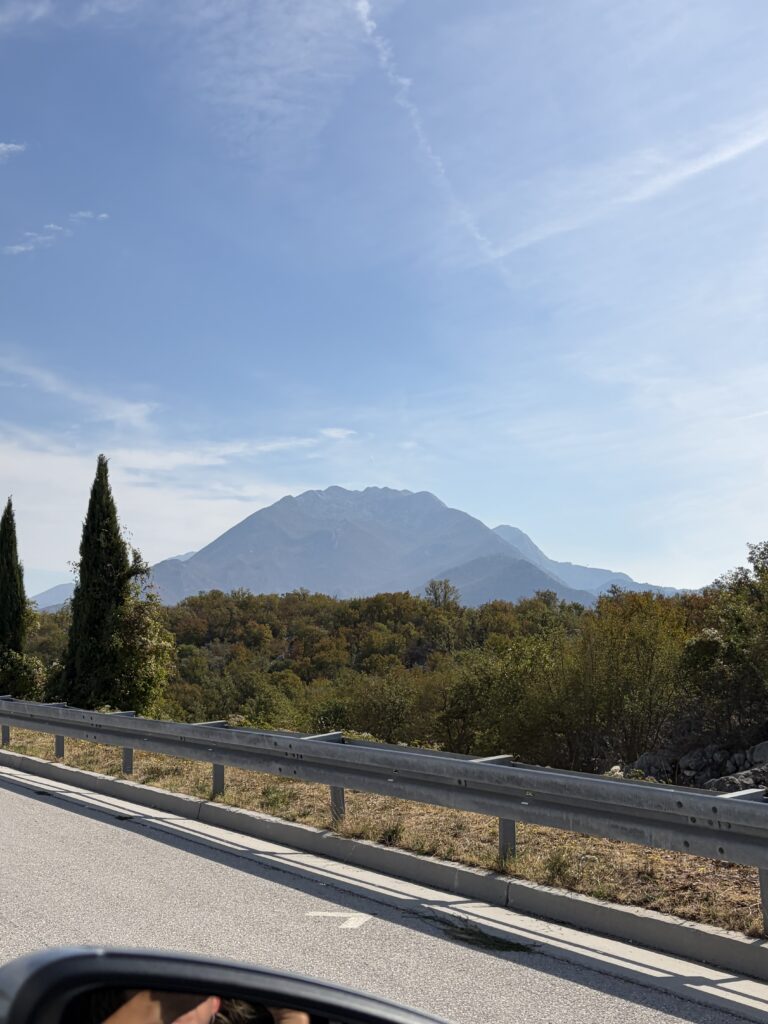
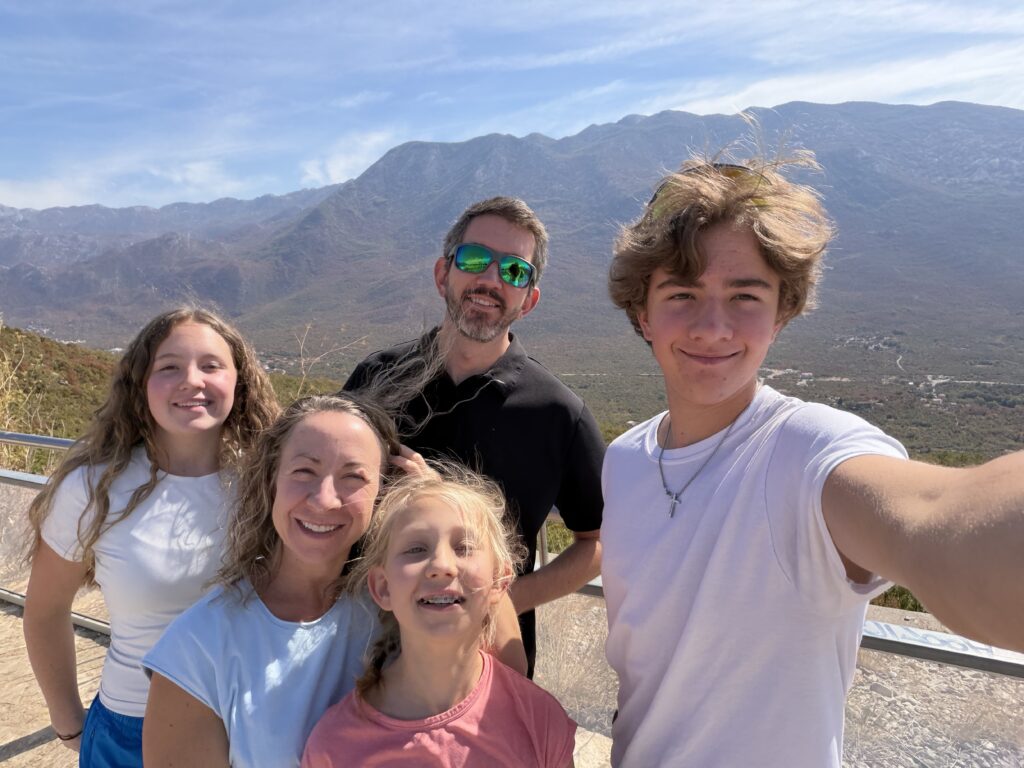
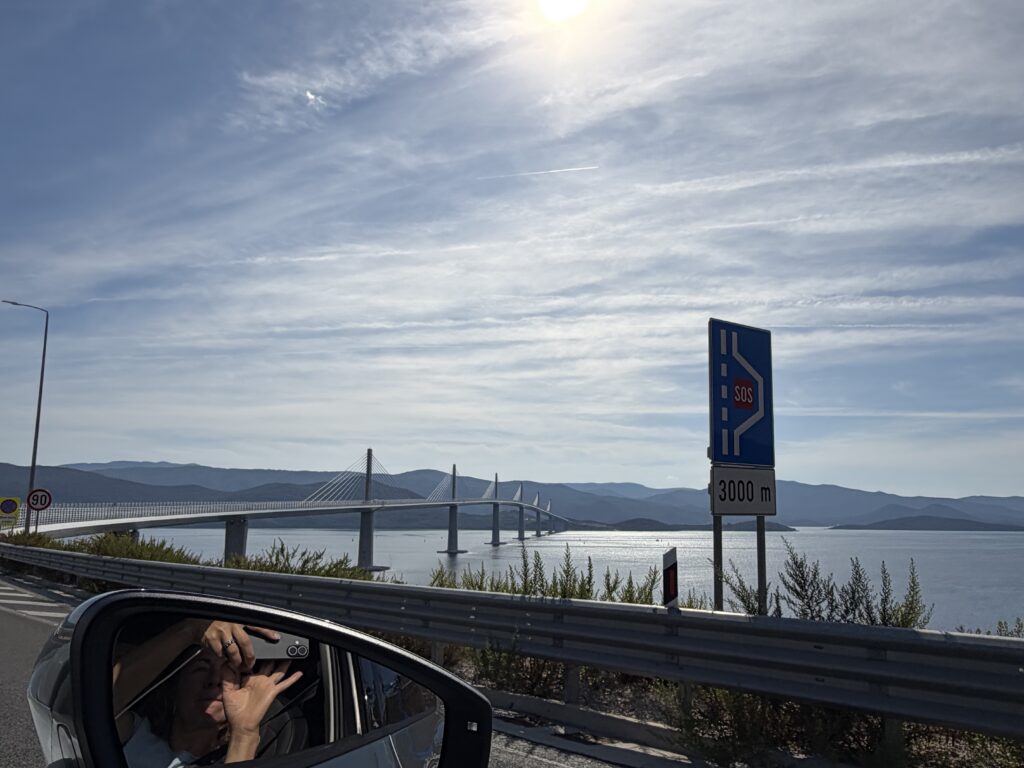
About halfway between Split and Dubrovnik is a fertile valley area, somewhat northwest and inland between the highway and the coast, close to Ploce. I would definitely visit if we had time to make a stop.
We are currently trying to outpace a storm that is going to bring 4.5 inches of rain in 2.5 days. I can’t even really fathom that amount of rain.
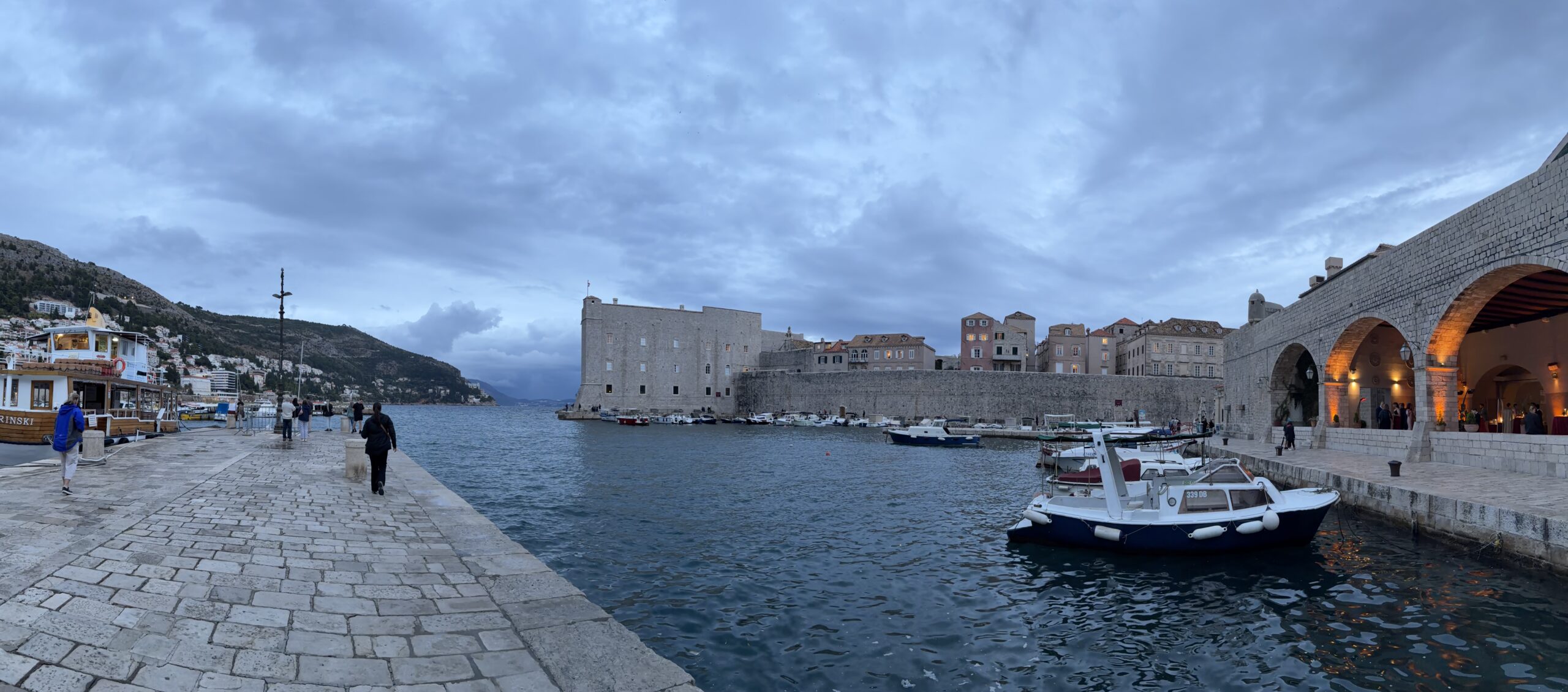
In learning our Adriatic history, we are learning that Venice was the big rival for Croatia. The Ottoman Empire also had a ploy to capture Dubrovnik in the 15th century. The way to ward off the enemies was to build massive city walls that could withstand enemy attacks.
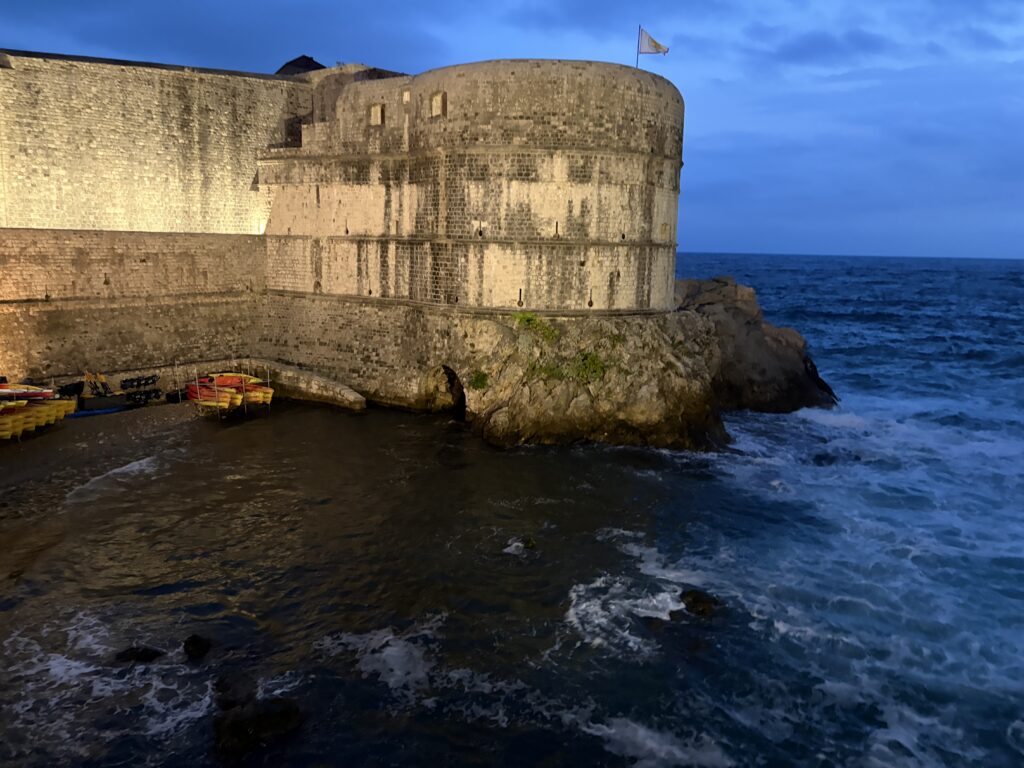
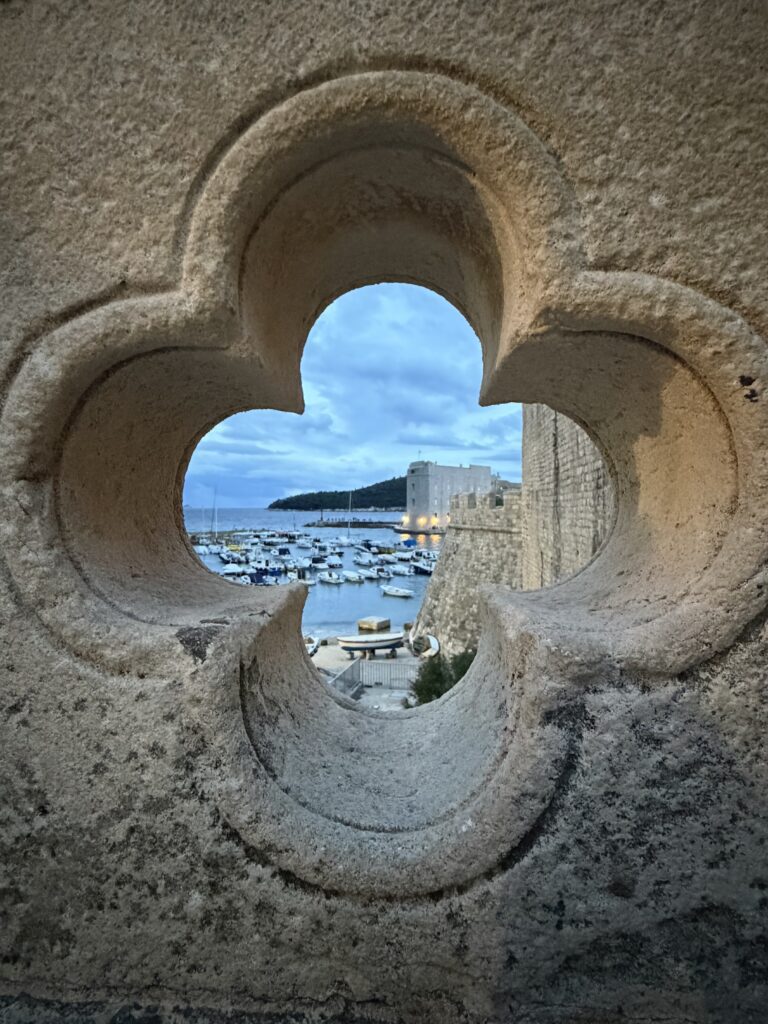
In 1667, a catastrophic earthquake hit. When they rebuilt, it was in a new style, a baroque style. Ragusa was the political municipality of Dubrovnik having been built up by the noblemen over the centuries. They were independent and that was a big deal. In 1808, Napoleon conquered the whole area of Dubrovnik, the town almost surrounded by water, by land. He came over the mountain and had a vision to rule the whole area – and that lasted 7 years. Much later, the break-up of Yugoslavia in 1991 resulted in a war that lasted until 1995. The Dubrovnik rooftops of terracotta tell the story of what had to be rebuilt and what survived the war.
Every February, the people celebrate St. Blaise. It is for the people – he is the protector of the people. The statues of him show his hand outstretched, holding the city in his palm. According to historical chronicles, a fleet of Venetian warships anchored off the coast of Dubrovnik on the night of February 2, 971 AD. The Venetians claimed they were simply restocking food and water before sailing east. In reality, their spies were quietly mapping out the city’s weak points for a surprise midnight invasion. That night, a local priest named Stojko walked into the Church of St. Stephen and found it open. Inside, he encountered an old, heavenly man with gray hair and a long beard wearing a bishop’s mitre. The old man revealed himself as Saint Blaise and warned the priest of the imminent Venetian attack. Stojko immediately alerted the city Senate, the gates were locked, the walls were heavily guarded, and the Venetians, realizing they had lost the element of surprise, retreated.
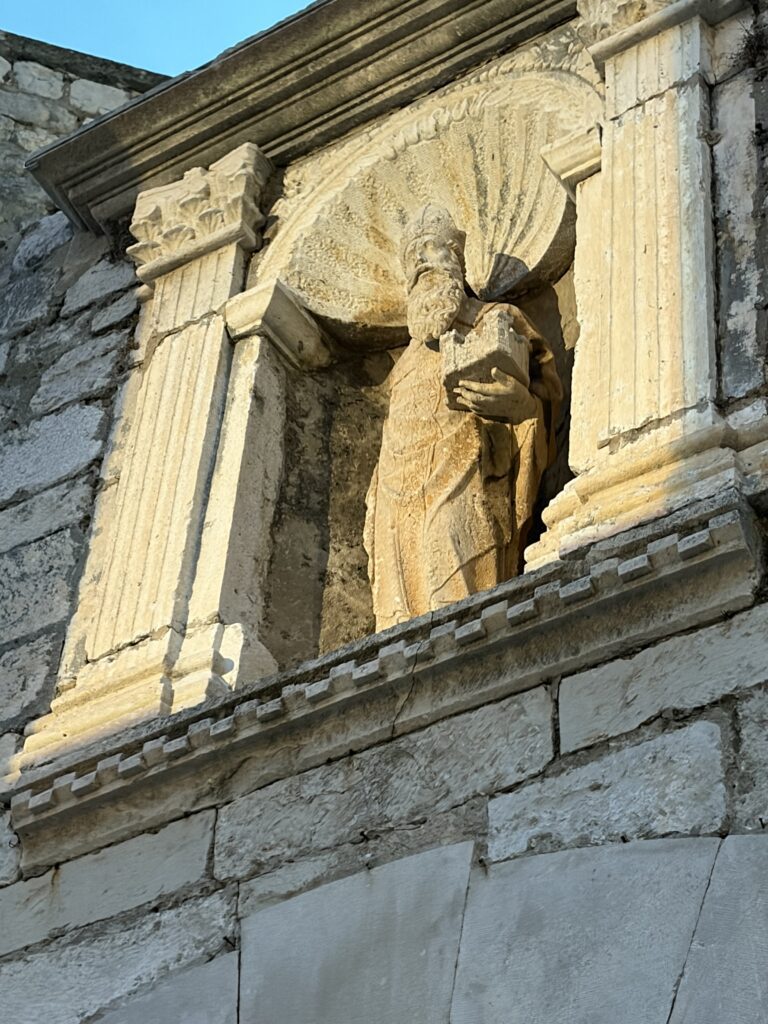
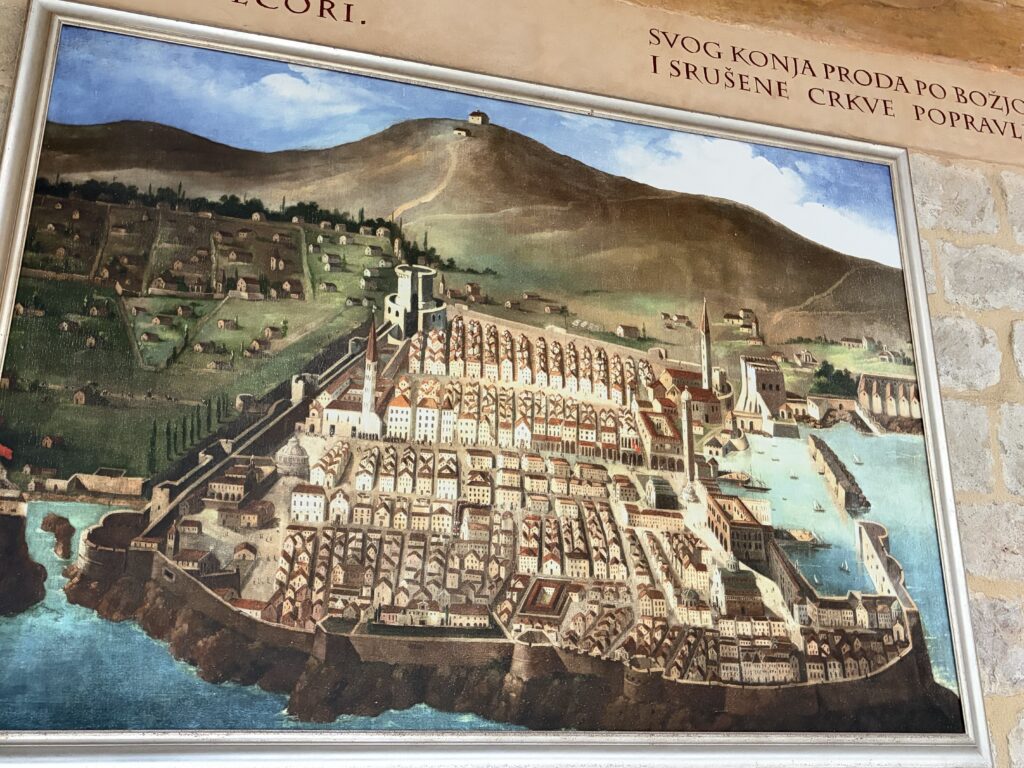
It is a city worth preserving in every way.
In current pop culture, the Jesuit staircase has become an icon for photography. It is a monument to a fictional show, Game of Thrones, which I have not watched yet, but I may consider. The locals do feel like the popularity of the sites tourists want to visit has ruined a few of them.
The big question is: what happens to the real memory and the real history when pop culture prevails?
No responses yet